Finding Most Trusted Remodeling Contractor in Topsfield
From Design Concept to Full Completion: The Remodeling Contractors Role in Successful Home Renovations
Remodeling contractors serve as the backbone of effective home renovations. They bridge the gap between a homeowner's vision and the realities of construction. From the initial consultation to the final walkthrough, their proficiency shapes every step of the project. This ensures that design, budget, and timelines match. However, managing the complexities of renovation can introduce unforeseen challenges. Understanding how these professionals address these challenges is crucial for any homeowner considering a remodel.
Understanding the Role of Remodeling Contractors
Remodeling contractors serve as essential guides in the home renovation process. They deliver specialized proficiency and background, making certain projects progress efficiently from inception to completion. These professionals are responsible for managing various aspects of a renovation, including scheduling, cost management, and coordinating trade professionals. Their understanding of building codes and regulations helps homeowners manage complex legal requirements, reducing the risk of setbacks or penalties.
Furthermore, remodeling contractors act as a liaison between homeowners and suppliers, facilitating communication and verifying that materials meet quality standards. They assess the particular needs of the project, supplying valuable insights that can influence design choices and material selection. By using their industry connections, they commonly secure better pricing and availability for necessary resources. Ultimately, the role of remodeling contractors is vital, as they transform original visions into tangible results while managing the complexities associated with renovation projects.
Design Planning and Initial Consultation
The preliminary consultation and design planning stage marks a critical step in the home renovation journey. During this stage, remodeling contractors engage with homeowners to obtain essential information about their vision, requirements, and lifestyle. This collaboration serves to establish a foundation for the full project, as contractors evaluate the space, discuss design choices, and identify potential challenges.
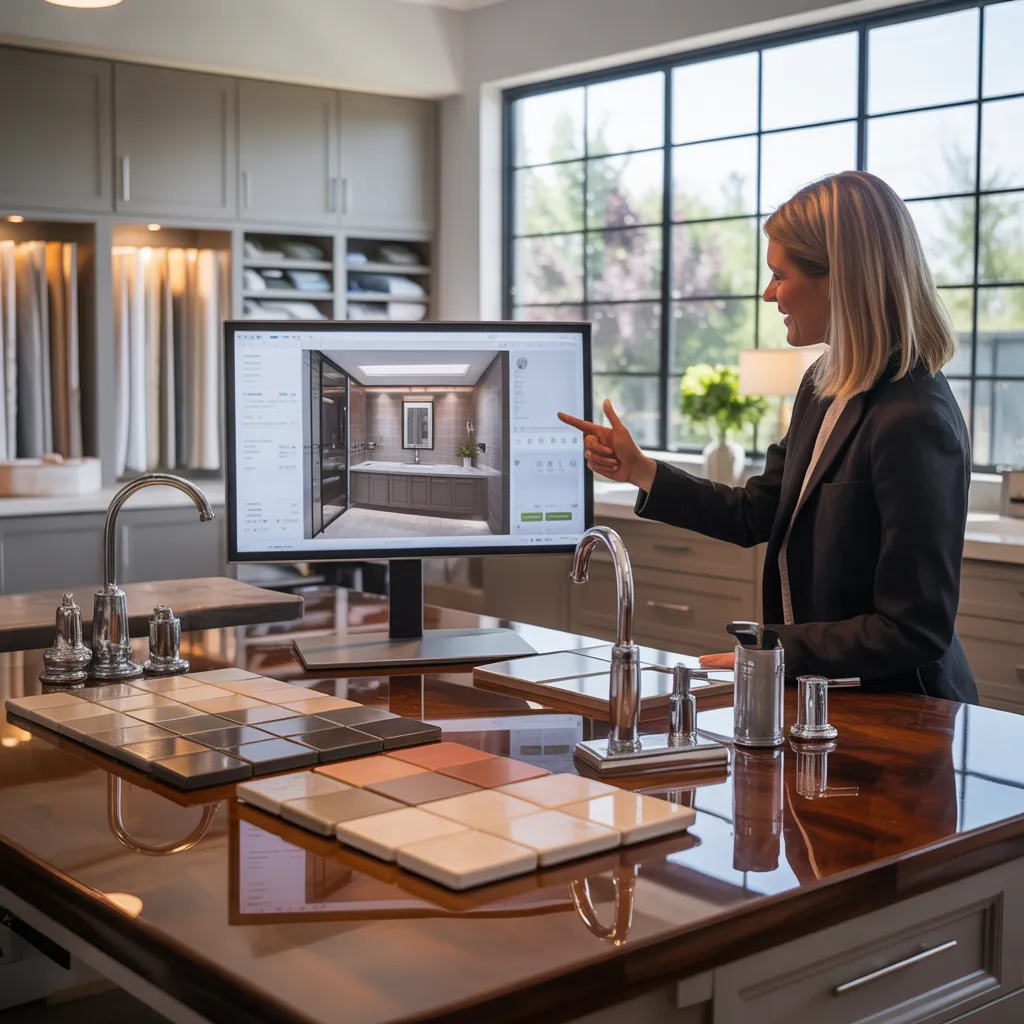
Along with understanding the homeowners' desires, contractors typically provide guidance into current design trends and practical solutions, guaranteeing that the proposed design aligns with both aesthetics and functionality. They may employ sketches or digital tools to visualize concepts, fostering collaboration between the contractor and homeowner.
Strong communication during this phase is critical, as it builds trust and sets realistic expectations. By attentively reviewing the homeowner's input and delivering expert advice, remodeling contractors play a crucial role in transforming initial ideas into a coherent design plan that can guide the renovation process.
Cost Management and Budget Planning
When beginning a home renovation, proper budgeting and cost management are crucial for ensuring the project keeps on track and within financial boundaries. Remodeling contractors fulfill a critical role in this aspect by providing in-depth estimates that include materials, labor, and supplementary expenses. By breaking down costs into practical categories, homeowners can gain a deeper understanding of where their budget is apportioned.
Contractors also advise clients on cost-saving measures, including material procurement or selecting different design options that achieve similar results without sacrificing quality standards. Regular budget reviews during the remodeling project help to identify any variances promptly, permitting prompt modifications. Furthermore, transparent communication between homeowners and contractors builds confidence and confirms that budgetary expectations remain consistent. Finally, diligent budgeting and cost management not only protect the project's financial viability but also contribute to a more satisfying renovation experience for the homeowner.
Coordination and Management of Projects
Successful project oversight and coordination are vital elements of successful home renovations. Remodeling contractors play a central role in guaranteeing that all aspects of a project align seamlessly. They develop thorough timelines, setting practical milestones that guide the renovation process from inception to completion. By working with different trades, such as electricians, plumbers, and carpenters, contractors ensure that each team is aware of their obligations and deadlines.
Strong communication is crucial, as it facilitates the addressing of any problems that may develop during the project. Contractors also oversee the progress, updating schedules and resources as needed explore the facts to maintain efficiency. Moreover, they keep clients updated, providing updates on timelines, budgets, and any changes that happen. This level of organization and oversight not only enhances productivity but also cultivates trust between contractors and homeowners, ultimately ensuring a successful renovation outcome.
Addressing Issues In the Course of Renovation
Home renovation projects typically present a variety of challenges that can disrupt even the most well-thought-out plans. Unforeseen structural issues, such as concealed water damage or aging wiring, can arise, requiring quick adjustments to the project scope. Limited budgets may also restrict the selection of materials and finishes, requiring contractors to find creative solutions without sacrificing quality. Communication breakdowns between clients and contractors can cause misunderstandings, emphasizing the importance of clear expectations and regular updates. Weather delays can further interfere with timelines, particularly for exterior work, demanding flexible scheduling and contingency planning. Furthermore, zoning regulations and permits can present hurdles, demanding contractors to navigate bureaucratic processes efficiently. Experienced remodeling contractors predict these challenges and employ strategic problem-solving skills, guaranteeing that projects continue moving forward despite obstacles. By keeping a proactive approach, they help clients stay informed and engaged throughout the renovation process, consequently leading to successful outcomes.
Final Walkthrough and Client Satisfaction
As the renovation project nears completion, the final walkthrough serves as an essential opportunity for both the contractor and the client to assess the work completed. During this phase, the contractor guides the client through the renovated spaces, pointing out the improvements and ensuring that all specifications have been satisfied. Any issues or unfinished tasks are noted, allowing for prompt resolutions.
This comprehensive inspection not only underscores the contractor's emphasis on quality but also encourages open communication, improving client satisfaction. Clients are prompted to share any concerns, ensuring that their expectations are entirely satisfied before final acceptance.
Eventually, a successful final walkthrough creates a sense of accomplishment for both parties, representing the culmination of a collaborative effort. By focusing on clarity and responsiveness during this vital phase, contractors can reinforce their reputation and stimulate positive referrals, which are crucial for future business growth.
FAQ
How Do I Select the Right Remodeling Contractor for My Renovation Project?
Choosing the right remodeling contractor entails researching credentials, reviewing references, getting multiple quotes, and reviewing past projects. Clear communication about project expectations and timelines is crucial for ensuring a successful partnership throughout the renovation process.
Which Permits Are Needed for Home Renovations?
Home renovations typically require building permits, electrical permits, plumbing permits, and zoning approvals, based on the project's scope and local regulations. It is important for homeowners to validate particular requirements with their local government offices.
How Long Will a Standard Renovation Project Last?
An average renovation project can take anywhere from several weeks to a few months, depending on the scope and intricacy of the project. Variables like design changes, permit approvals, and contractor availability can also influence the timeline.
Can I Continue Living in My Home Throughout the Remodel?
Whether a homeowner can reside in their property during a remodel copyrights on the project's scope. Limited updates might allow for uninterrupted occupancy, while substantial renovations might necessitate interim relocation for safety and comfort reasons.
What Warranties and Guarantees Can You Expect from Remodeling Contractors?
Remodeling contractors typically offer warranties on craftsmanship and materials, which can extend from one to ten years. Coverage may also extend to specific issues, ensuring quality and customer satisfaction across the renovation process.